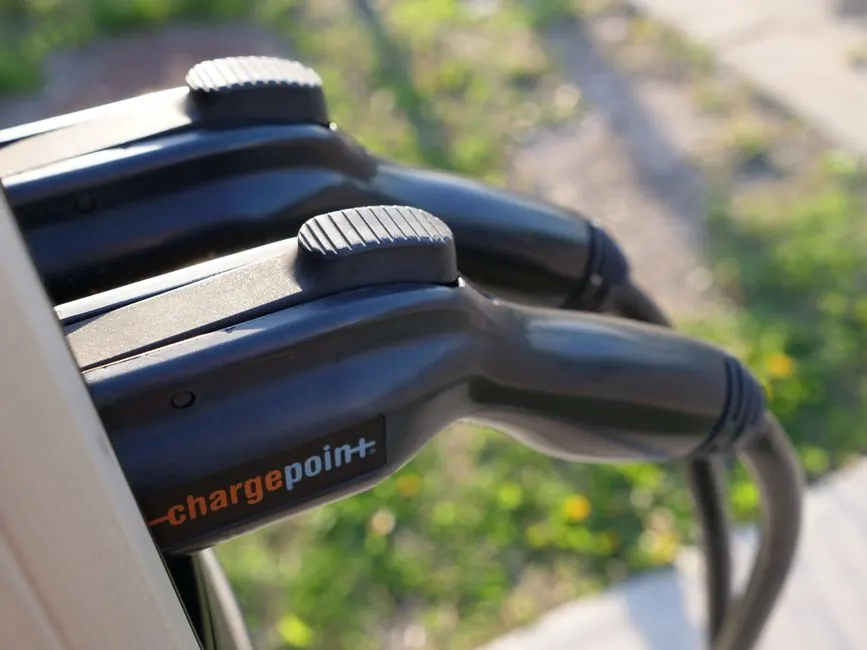
Preparing your EV charger for Winter Garden's storm season is essential for ensuring its functionality and safety. Proper preparation can prevent damage and costly repairs. This guide covers best practices, checks to perform, and when to seek professional help.
Preparing your EV charger for Winter Garden's storm season is a proactive measure to protect your investment in electric vehicle charging technology. Storms can bring heavy rain, strong winds, and flooding, all of which can jeopardize the performance of your EV charger.
Best practices for EV charger safety during storms
To ensure EV charger safety during storms, consider the following best practices:
- Secure all connections and cables to prevent water ingress.
- Install your charger in a sheltered location if possible.
- Use a surge protector specifically designed for EV chargers.
- Regularly inspect the unit for signs of wear and damage.
These steps help mitigate risks associated with storm damage. For residents in Horizon West, where storms can be particularly intense, taking these precautions is vital.
What to do for EV chargers before a storm
Before a storm hits, there are specific checks you should perform on your EV charger:
- Disconnect the charger from the power source to prevent electrical issues.
- Check for any visible damage to the charger and its components.
- Ensure that the area around the charger is clear of debris that could cause damage during high winds.
- Consult your charger's manual for any specific manufacturer recommendations.
By following these steps, you can enhance your charger's resilience against storm conditions. It's also wise to review your local forecast and prepare ahead of time.
How to protect your EV charger during storm season
Protecting your EV charger during storm season involves both physical and electrical safeguards. Here are key actions:
- Invest in a quality surge protection solution for EV chargers to prevent damage from power surges.
- Consider employing a professional for home EV charger repair to ensure everything is in optimal working condition.
- Regularly clean and maintain the charger to prevent corrosion and wear.
Homeowners in areas like Summerlake can benefit from these protective measures, especially during peak storm months.
Common mistakes to avoid when preparing your EV charger
Many people make mistakes when preparing their EV chargers for storm season. Avoid these common pitfalls:
- Neglecting to disconnect the charger from the power source.
- Failing to inspect the charger for damage before storms.
- Ignoring local weather forecasts and warnings.
- Not having a backup plan for charging your EV if the charger is damaged.
By steering clear of these errors, you can better safeguard your charger and maintain its functionality.
When to call a professional
If your EV charger sustains damage during a storm or you notice any unusual performance issues afterward, it's time to call a professional. EV Charger Experts Winter Garden specializes in emergency EV charger repair and can quickly assess and fix any problems. Regular maintenance checks can also help catch issues before they escalate.
Frequently Asked Questions
What should I do to prepare my EV charger for storms? Disconnect the charger, inspect for damage, and clear the area of debris.
How can I protect my EV charger during storm season? Use surge protectors, ensure proper installation, and conduct regular maintenance checks.
Are there tips for maintaining EV chargers in stormy weather? Yes, keep the charger clean, secure connections, and ensure that it is properly installed.
What are the risks to EV chargers during storms? Risks include water damage, electrical surges, and physical damage from debris.
Can you help with storm preparation for EV chargers? Yes, we offer services for EV charger hardware and connectivity repair to ensure your charger remains functional.